·
9 min read
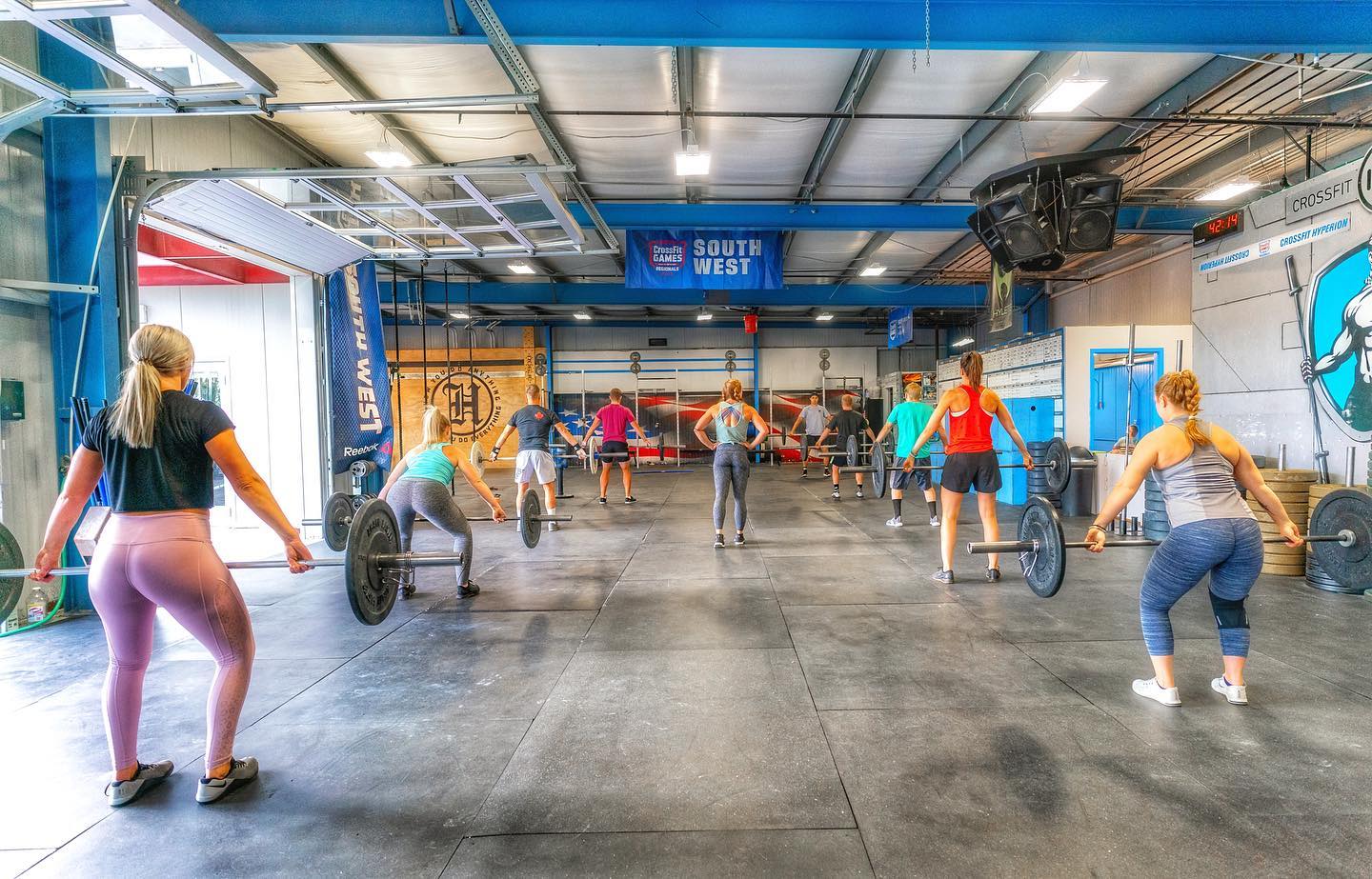
Most people think that training harder is the key to progress. I get it. We’re told that if we just push a little more, train longer, or do extra workouts, we’ll get better results. But that’s not always true.
What I’ve seen over and over again is athletes pushing themselves into the ground. They’re adding more training sessions, more volume, more intensity, and all too often, they aren’t eating enough or taking time to recover. Then they wonder why they feel burnt out, sore, or stuck even though they’re “doing more.”
The truth is, doing more doesn’t always mean getting better. In fact, most of the time, it’s the opposite. When you keep adding volume without intention, your body can’t keep up, and you never give it the chance to actually adapt and grow stronger.
That’s the foundation of my training philosophy and the reason I built these programs. I want athletes to have something intentional that adds the right amount of volume without tearing them down. You can still do your daily classes and enjoy the community you love, but with the right structure, you’ll see progress that actually sticks.
Smart training means having a plan that accounts for recovery, energy, and purpose. It means each workout builds toward something specific rather than just adding more for the sake of it. When your training has purpose, you’ll start to notice that you feel stronger, recover faster, and actually look forward to each session instead of dreading it.
My programs are designed to do exactly that—help you train smarter, not harder. They keep you progressing without burning out. Over the next few weeks, I’ll share more about how I structure my programming, how I approach recovery, and how to balance all the pieces so you can reach your goals without sacrificing your health or love for the gym.
Because progress shouldn’t come at the cost of your energy or happiness. It should make you feel better, perform better, and stay consistent for the long haul.